
That evening, after tucking Emma in, Lucy succumbed to a dark curiosity and pressed her ear against the wallpaper. Beneath the faint, metallic music of the pipes, she caught a distinct rhythm—three soft thumps, followed by two staccato taps. She held her breath until her chest burned. When she finally gathered the courage to rap back, a heavy silence followed—a silence as thick and suffocating as ancient dust—before the house settled once more.
That night, Lucy’s subconscious offered no refuge. She dreamed of narrow, breathless corridors without windows or doors, where the air felt like lead. Faint footsteps scuffed against stone behind her, forever anchored exactly one pace away. She woke with a start to find Emma standing over her bedside, her small hand extended. In her palm lay a cracked flake of dried, grey paint.
“The wall was crying,” the child whispered, her voice devoid of its usual warmth. Outside, a bleak dawn began to bleed pale, sickly light across the rain-soaked roof.
Lucy’s sleep had become nothing more than a series of shallow, fractured intervals. As the morning light bled through the nursery curtains, she stared at the columns in her notebook. The pattern felt undeniably deliberate—conversational, even—yet it possessed just enough inconsistency to taunt her logic. She tried to retreat into the mundane: perhaps a bird nesting in the eaves, or a family of rodents behind the plaster. But with every inspection, these comfortable explanations withered and died.
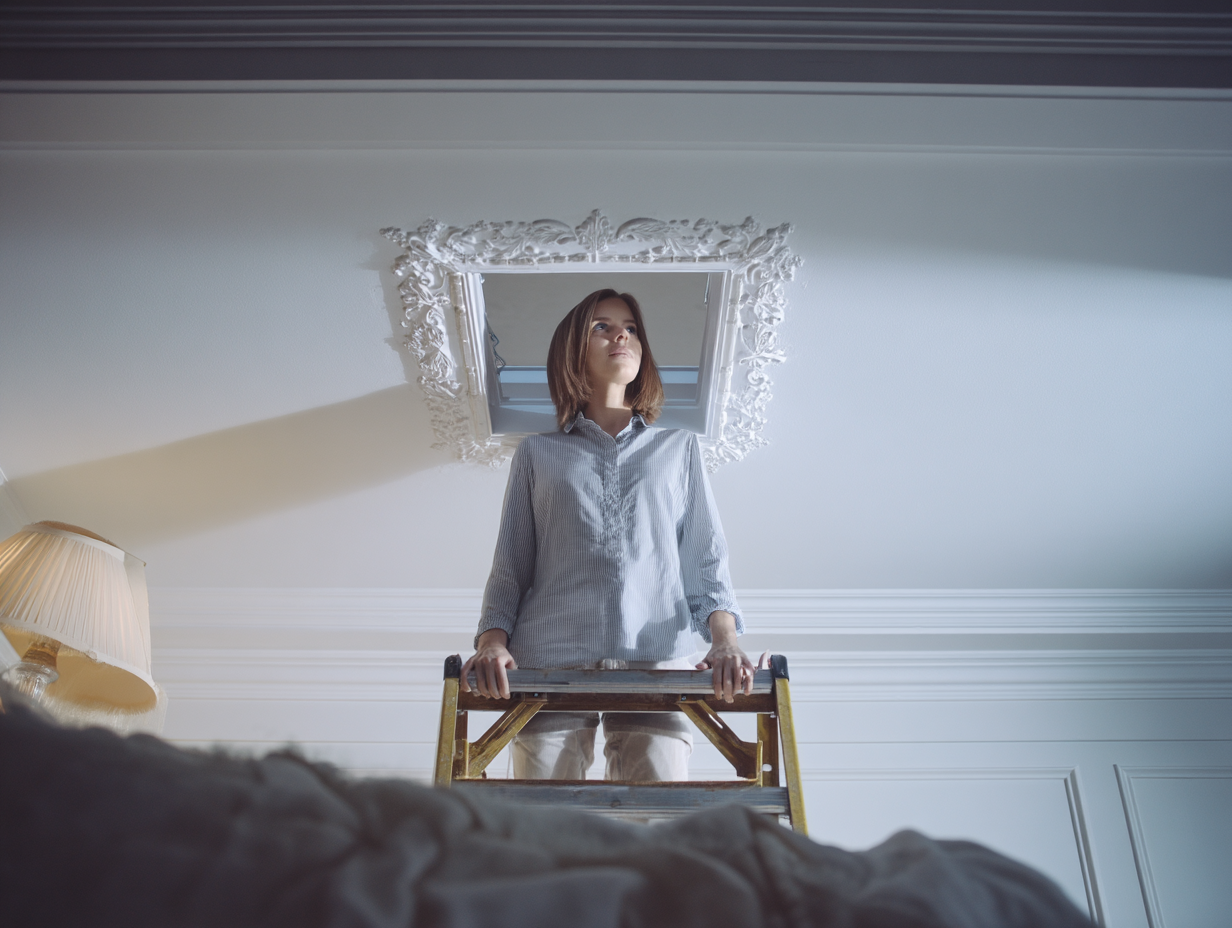
Driven by a desperate need for clarity, she dragged the stepladder from the storage room to inspect the air vent positioned directly above Emma’s bed. The metal grille came away with a dry, skeletal creak, releasing a cloud of stale, suffocating dust. There was nothing else. Behind the vent lay only solid, immovable blocks of brickwork—the remains of an ancient duct that had been sealed shut decades, perhaps generations, ago.
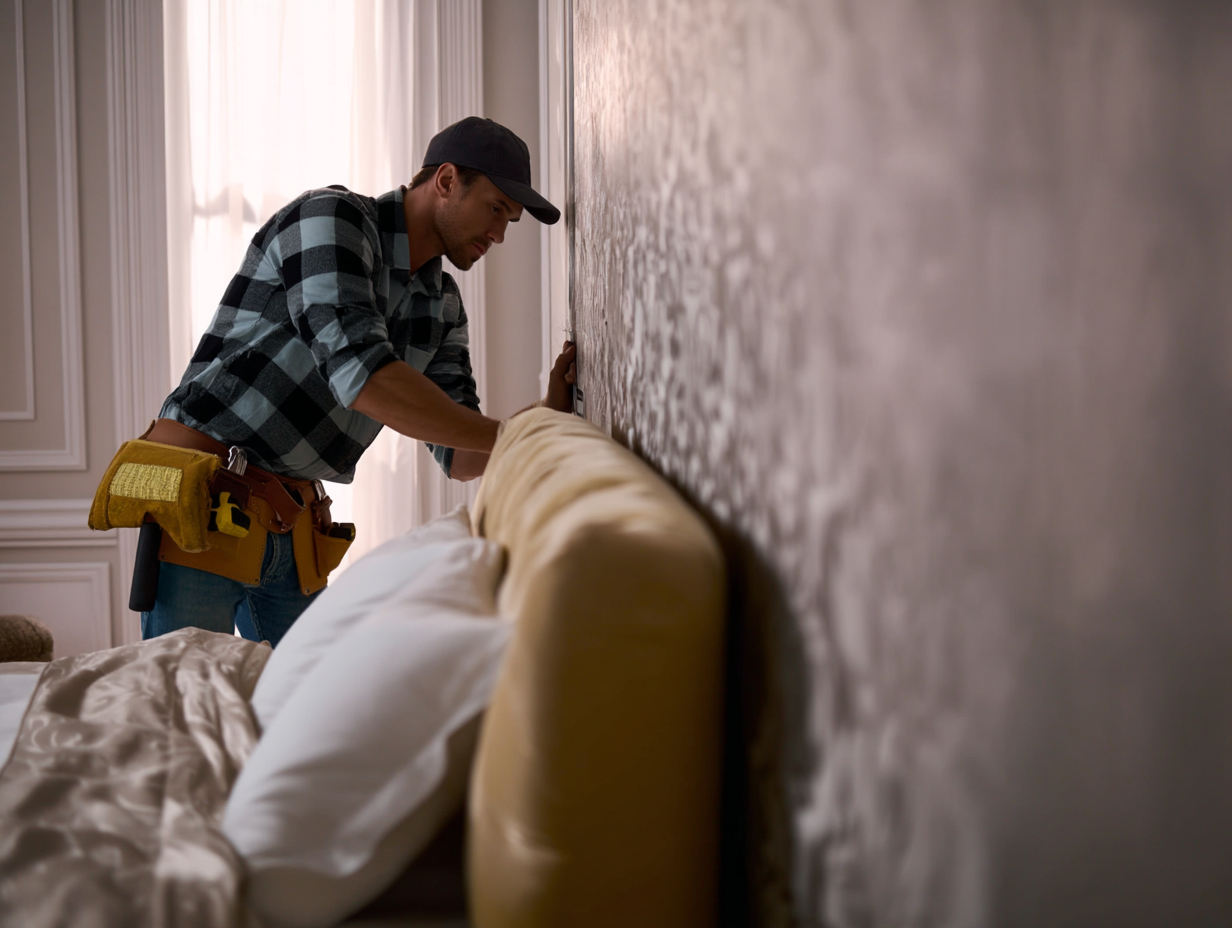
That afternoon, she called a local handyman whose faded business card she’d spotted in the post office window. He arrived with a weathered canvas bag of tools and a disarmingly easy smile, his heavy boots leaving faint, dusty prints on the hallway tiles. “Old houses are like old people, love,” he said, tapping the wall with an appreciative, almost affectionate palm. “They just like to creak and complain to pass the time.”
Lucy explained the tapping as clinically as possible, measuring her words to ensure she didn’t sound frantic or delusional. He listened intently, his ear pressed firmly against the plaster, before performing a rhythmic series of knocks along the skirting board. “Could be rodents,” he concluded with a shrug. “Or perhaps swifts in the eaves. They’re clever things—they find gaps in these old structures and treat the wall cavities like private corridors.”
Top Articles