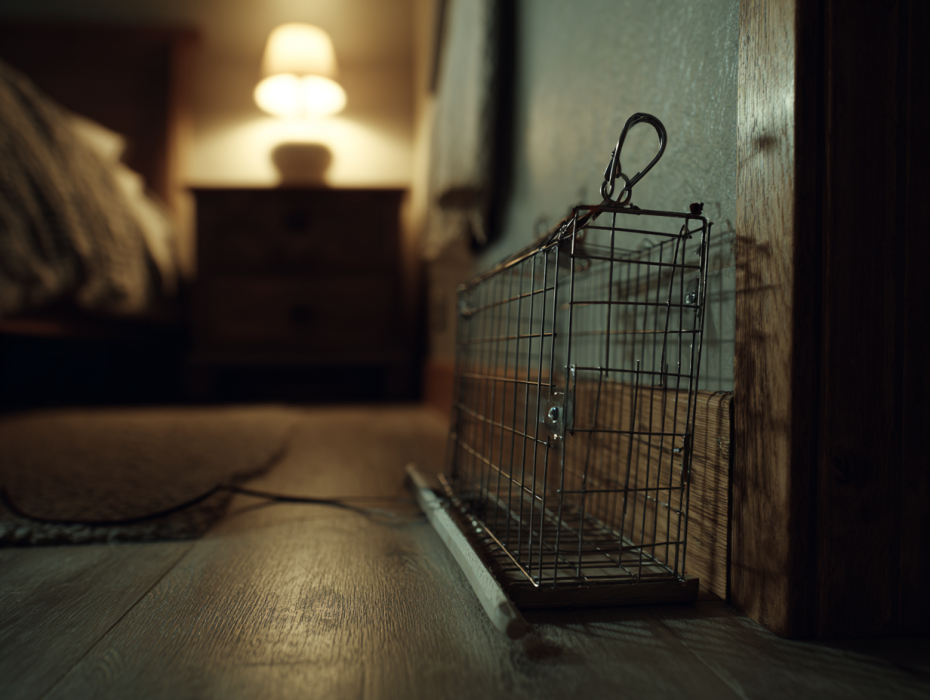
He pried off a small section of timber trim near the floor, scraping out a handful of ancient dust and brittle debris. “See?” he said, gesturing toward what might have been mummified droppings from another era. “Probably rats. I’d set a few traps, maybe call in pest control if the noise keeps up.” The word “rats” oddly comforted her—it was a visceral, biological answer to a haunting question.
That evening, after Emma had drifted off to sleep, Lucy set two traps along the base of the wall, her hands steady for the first time in days. There was an immense sense of relief in the task—a tangible problem finally met with a practical solution. The house seemed to shrink back to its proper dimensions, returning to a world of timber, pipes, and common pests. It was nothing more than a structure that needed maintenance; nothing that couldn’t be contained with a bit of grit and effort.
For three glorious nights, the tapping vanished. The traps remained grimly unsprung, and the sharp, clinical scent of disinfectant lingered where she had scrubbed the skirting boards. Lucy convinced herself the handyman’s diagnosis was correct; the intruders had simply moved on to a more hospitable host. She slept with a new depth, waking each morning with the uncanny sensation that the house had finally exhaled, its ancient complaints finally spent.
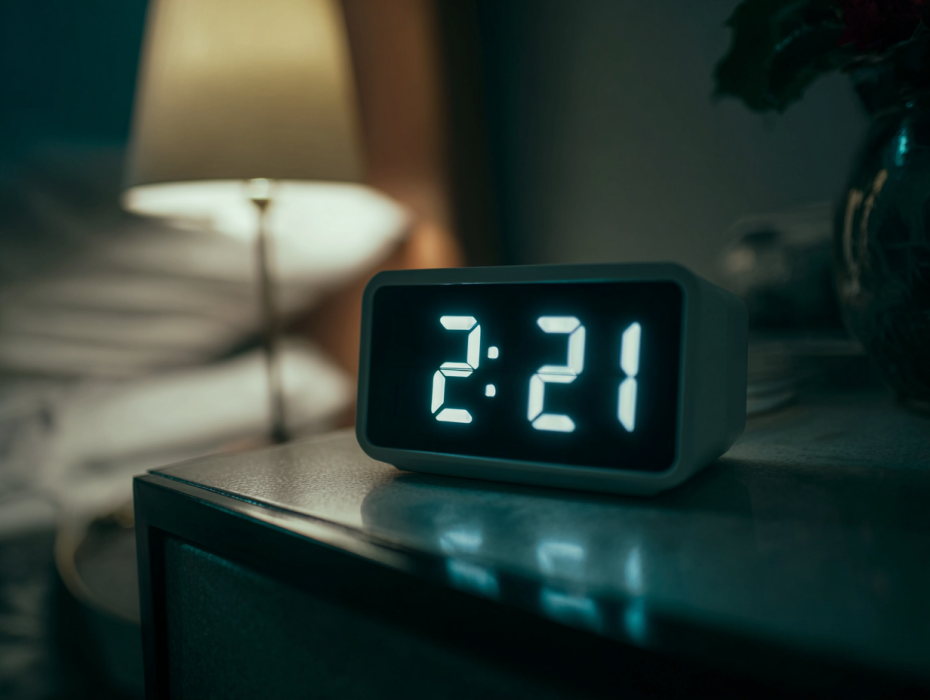
On the fourth night, however, she was pulled from sleep by an invisible thread of dread. The digital clock bled a neon 2:21 into the darkness. The house lay wrapped in layers of familiar quiet: the low whistle of the wind, the distant, rhythmic hum of the boiler, and Emma’s soft, even breathing.
Just as Lucy began to let her guard down, the air in the room seemed to thicken. Three soft knocks resonated from the wall—precise, unnervingly evenly spaced, and originating from the exact patch of plaster directly behind her daughter’s head.
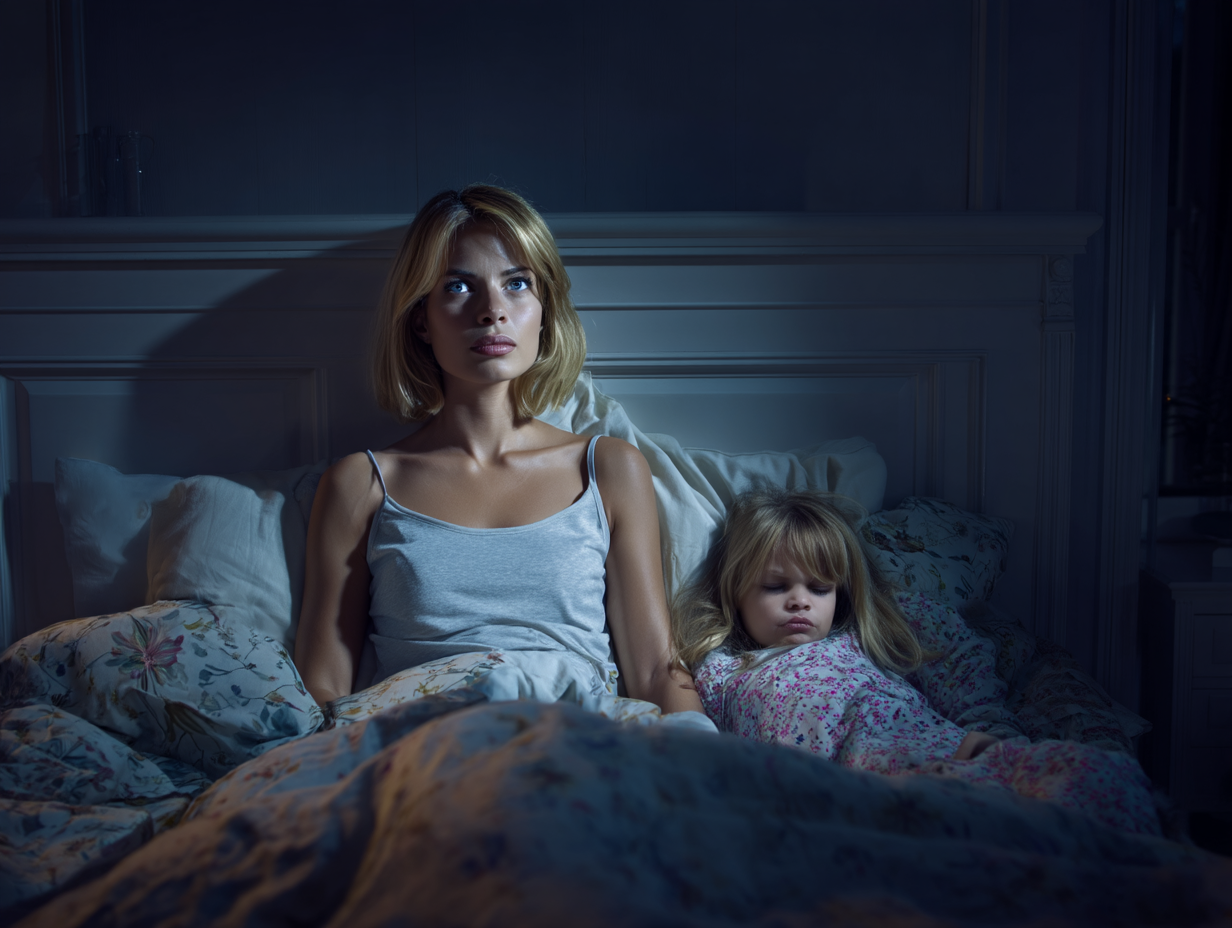
It didn’t sound like scurrying anymore. There was no desperate scrape of claws, no frantic shuffle of fur against wood—just a contained, rhythmic force meeting resistance. Lucy sat bolt upright, her heart hammering against her ribs like a trapped bird, straining to hear a second round. None came. In the cold light of morning, the traps remained mockingly empty, their spring-loaded metal bars clean and expectant. It was as if whatever dwelled within the wall possessed a keen, predatory intelligence—something that understood their purpose and simply stepped neatly around them.
Later that evening, Lucy paused in the shadows of the hallway, her blood turning to ice as Emma’s soft voice drifted from the bedroom.
“Shh, we have to be quiet,” the girl murmured to the empty air. “They’ll hear if we laugh too loud.”
Lucy froze, her pulse quickening to a frantic tempo. The words weren’t the aimless chatter of a child at play; they sounded too pointed, too deliberate—too aware of the heavy, listening silence that lived behind the plaster.
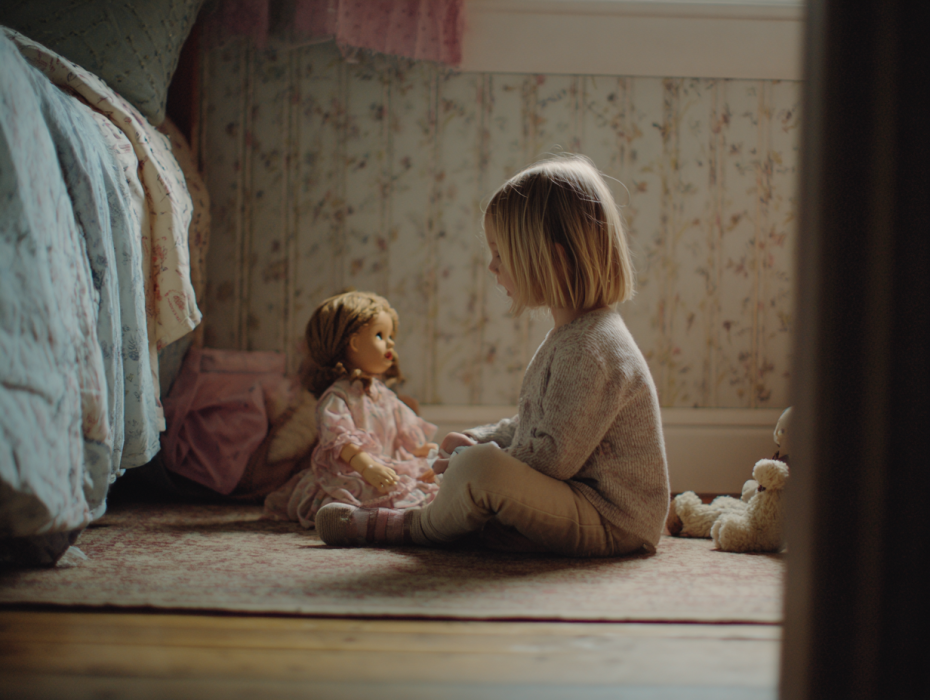
She crept closer, her footsteps swallowed by the hallway carpet, and peeked through the sliver of the half-open door. Emma sat cross-legged on the rug, her small frame silhouetted against the nightlight. She was facing her doll—a faded, limp rag figure with dull button eyes that seemed to stare at nothing.
“Did you hear that tap?” Emma whispered, tilting her head toward the doll in a gesture of unsettling intimacy. “It’s them again, saying goodnight.”
Lucy’s breath caught sharply in her throat, a jagged edge of fear. The doll remained motionless in Emma’s lap, its stitched mouth frozen in a permanent, hollow grin. There was no movement, no reply. Yet the child’s unnerving earnestness, and the way her eyes flicked sideways toward the shadows of the painted wall, sent a shiver of ice through Lucy’s veins. She found herself paralyzed by a single, terrifying question: was this merely a lonely child’s imagination, or had the rhythmic tapping behind the plaster successfully taught her daughter to decipher voices in the silence?

“Mummy?” Emma looked up suddenly, her fingers digging into the doll’s soft stuffing. “Is it bedtime?”
Lucy forced a thin, fragile smile, stepping into the room as if she hadn’t just been spying on a conversation with the wall. “Almost, love,” she managed to say. But as she knelt to tuck the toy away, her gaze remained fixed on the plaster, half-expecting the surface to ripple or pulse with whatever hidden rhythm Emma seemed to perceive. The wall stayed stubbornly silent, a blank, vertical grave of brick and dust.
That night, Lucy lay paralyzed in the dark, obsessively replaying the scene. Logically, it had been perfectly innocent—a child playing with a doll that faced forward, away from the wall. Yet Emma’s whispers echoed in the hollows of her mind, blurring the fragile line between a child’s harmless fancy and the house’s buried secrets. Fear had begun to perform its cruelest trick: it twisted the most ordinary domestic moments into something grotesque and indelible, a stain on her mind that she simply couldn’t unsee.
Top Articles