
By then, the noise had moved beyond the plaster; it lived in the hollows of her thoughts even when the house was shrouded in silence. At work, she found herself losing her place in simple emails, hearing phantom knocks echo between the lines of text on her screen. On the walk to Emma’s school, a new, compulsive habit took hold: she would glance back at the blank, red bricks of their home, half-expecting the sound to bleed through the masonry and follow them into the open air.
By the end of the month, the toll of her vigilance began to manifest physically. Passing a shop window one afternoon, Lucy was startled by her own reflection—her face was drawn and sallow, her shoulders hunched as if she were perpetually bracing against a gale that never quite arrived. When the school secretary asked, with a touch of gentle concern, if everything was all right, Lucy managed a tight, rehearsed smile. She lied, claiming it was nothing more than a need for stronger coffee, while her mind stayed anchored to the rhythm of the wall.

That evening, after tucking Emma in, Lucy sat at the kitchen table, the glow of her laptop the only light in the room. With trembling fingers, she booked an online appointment with a therapist she’d found through a local recommendation group. It felt like a calculated, tactical retreat—the kind of practical step a responsible adult took when sleep became a luxury and the edges of reality began to blur.
During their first session, Lucy laid out the facts: the move, the unsettling architecture of the old house, and the noises that seemed to ebb and flow with the night. She spoke of the isolation of being the sole adult in the building, the weight of constant vigilance over Emma. The therapist listened with practiced empathy, then began to speak of “adjustment disorders” and hypervigilance. She explained how a weary, overtaxed mind can compulsively stitch patterns into harmless sounds, creating a narrative where there is only static.

“It makes perfect sense that you’d be on high alert,” the woman said, her voice a soothing anchor. “You’re carrying the entire weight of your world alone right now. When we feel fundamentally unsafe, our brains try to predict danger as a survival mechanism, even where none exists. It doesn’t mean the sounds are imaginary—it just means your neurological reaction to them has become magnified.”
Lucy nodded, surprised by the sudden, warm tide of relief that rose in her chest. Framed through the lens of science, the nights seemed less like an impending psychological collapse and more like a manageable puzzle of stress and circumstance. Together, they mapped out a series of small, grounding steps: establishing better sleep hygiene, actively limiting her late-night “listening sessions,” and practicing mindfulness when the house inevitably shifted and sighed in the dark.
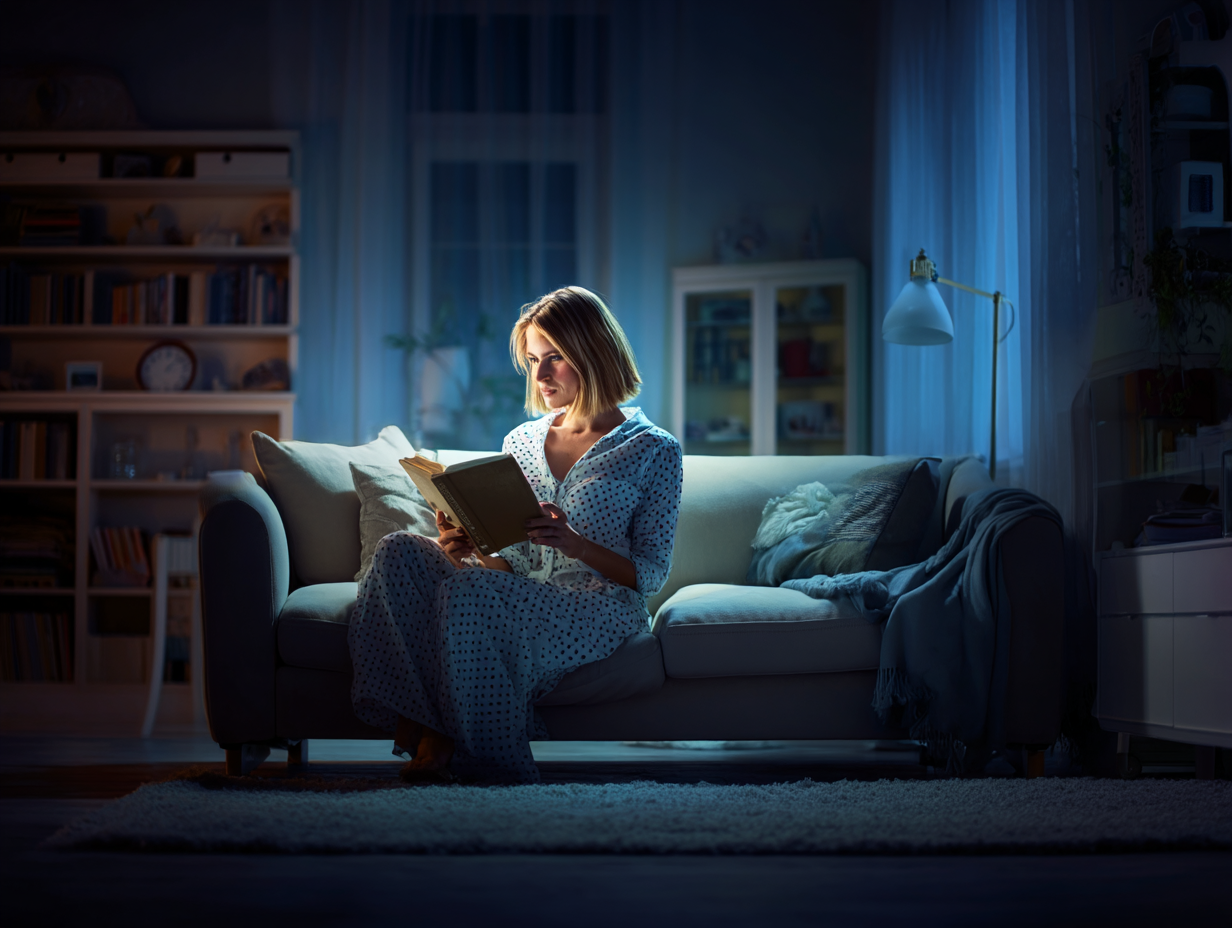
For a few fragile evenings, she adhered strictly to the plan. She left a lamp casting a warm, low glow in the hallway, read her book until the words blurred into a heavy fog, and resolutely refused to sit in the dark, waiting for a ghost. When the house groaned, she named the sound—pipes, wind, settling wood—and forced herself to move on. The wall remained pointedly mute, and she almost allowed herself to believe that the worst of the storm had passed.
Then, on a night when the air turned biting and cold, the first tap arrived just as the tension began to leave her muscles. It was a single, firm knock, originating from the same haunting coordinates: low on the wall, directly behind Emma’s bed. A long, agonizing pause followed—long enough for Lucy to try and convince her racing heart that she’d imagined it. Then came two more, sharper and closer together, sounding less like a random noise and more like a deliberate answer to a question she was terrified to hear.
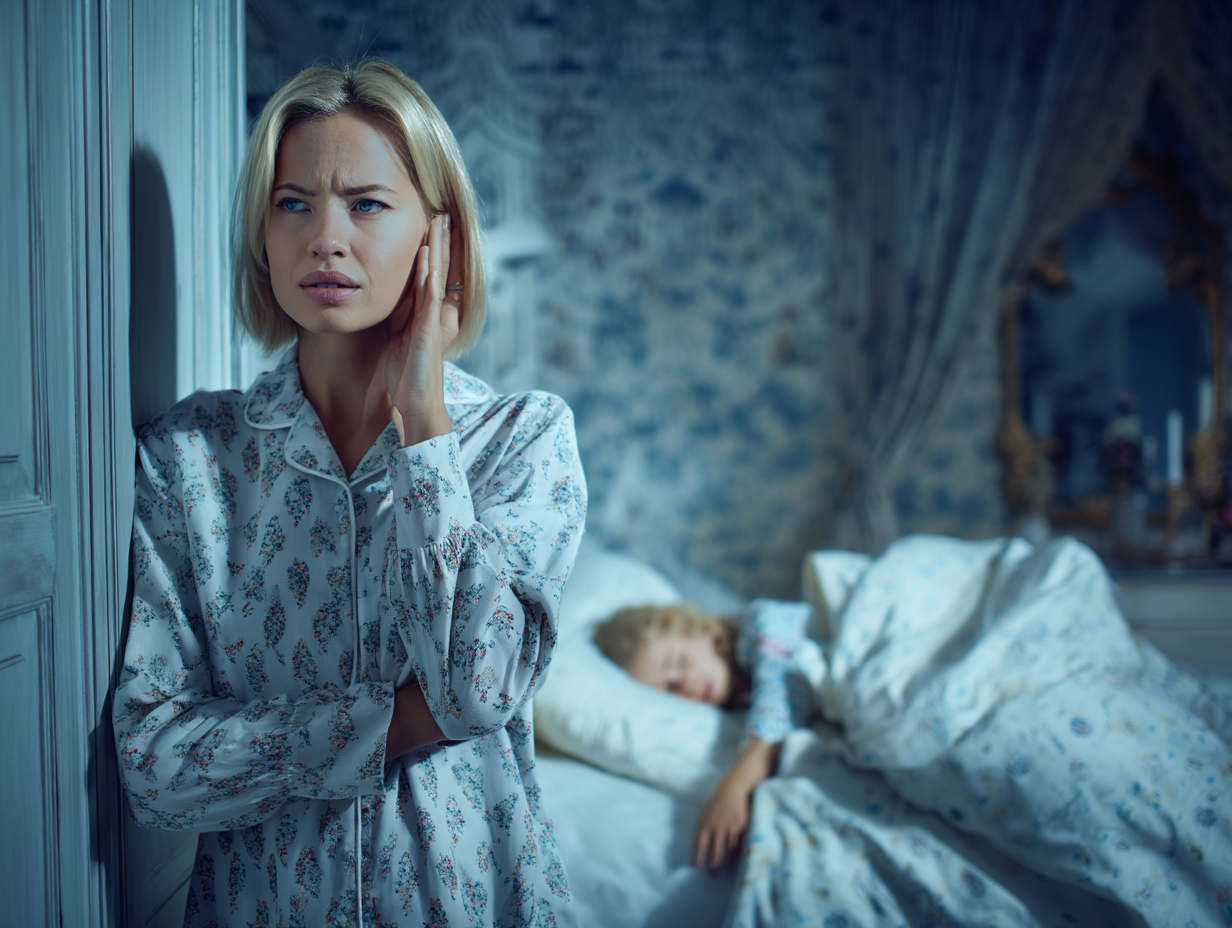
Lucy swung her legs out of bed, the sudden movement a defiant break from her therapist’s instructions. She stood in the oppressive dark, her bare feet shrinking from the touch of the ice-cold floorboards. Every instinct screamed at her to retreat—to crawl back under the covers and let the sanitized, rational explanations win the night. Instead, she found herself drawn down the hallway toward the source, each step heavy and measured, as the house she had tried so hard to claim suddenly turned foreign and hostile once more.
Reaching the spot, Lucy pressed her palm flat against the painted surface, her skin meeting only the cool, faintly granular texture of old plaster. She waited, bracing for a sign. But the wall did not vibrate; it offered no satisfying tremor of clanking pipes or rhythmic machinery. It simply stood there—dense, indifferent, and unhelpful—maintaining its silence as if the void itself were the only answer she was ever going to receive.
Top Articles